Patio Install Turned Drainage Rescue in Traverse City
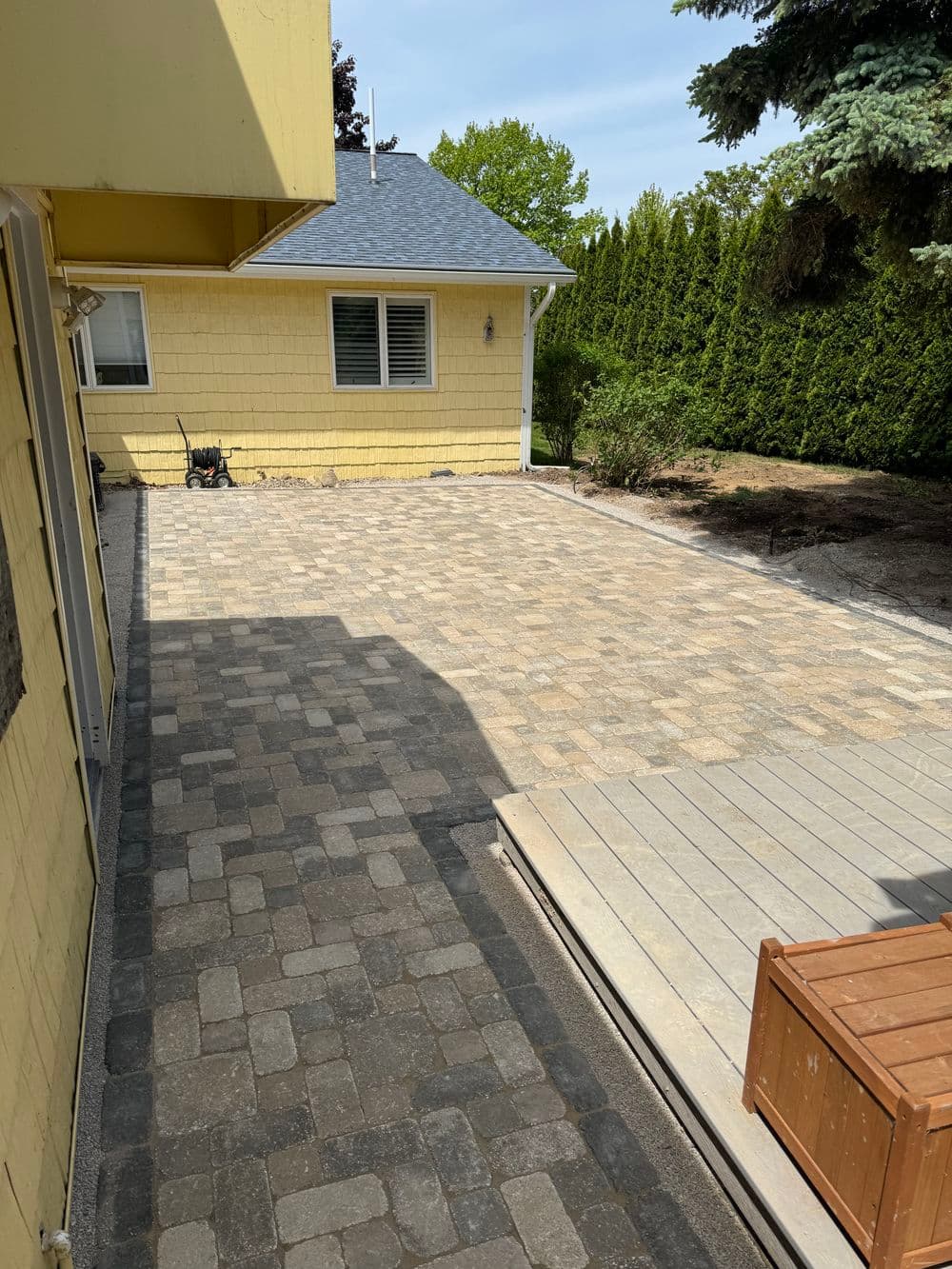
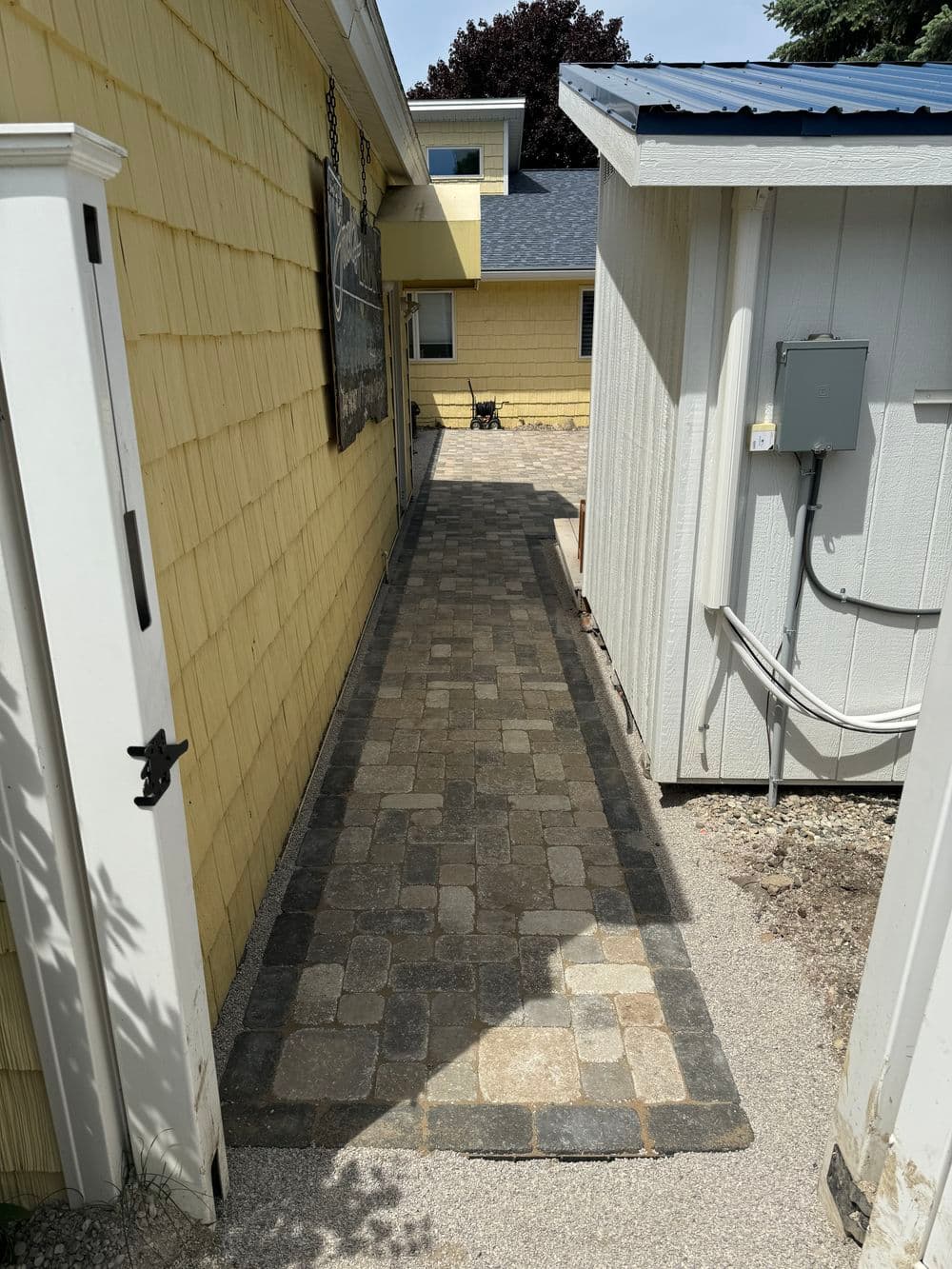
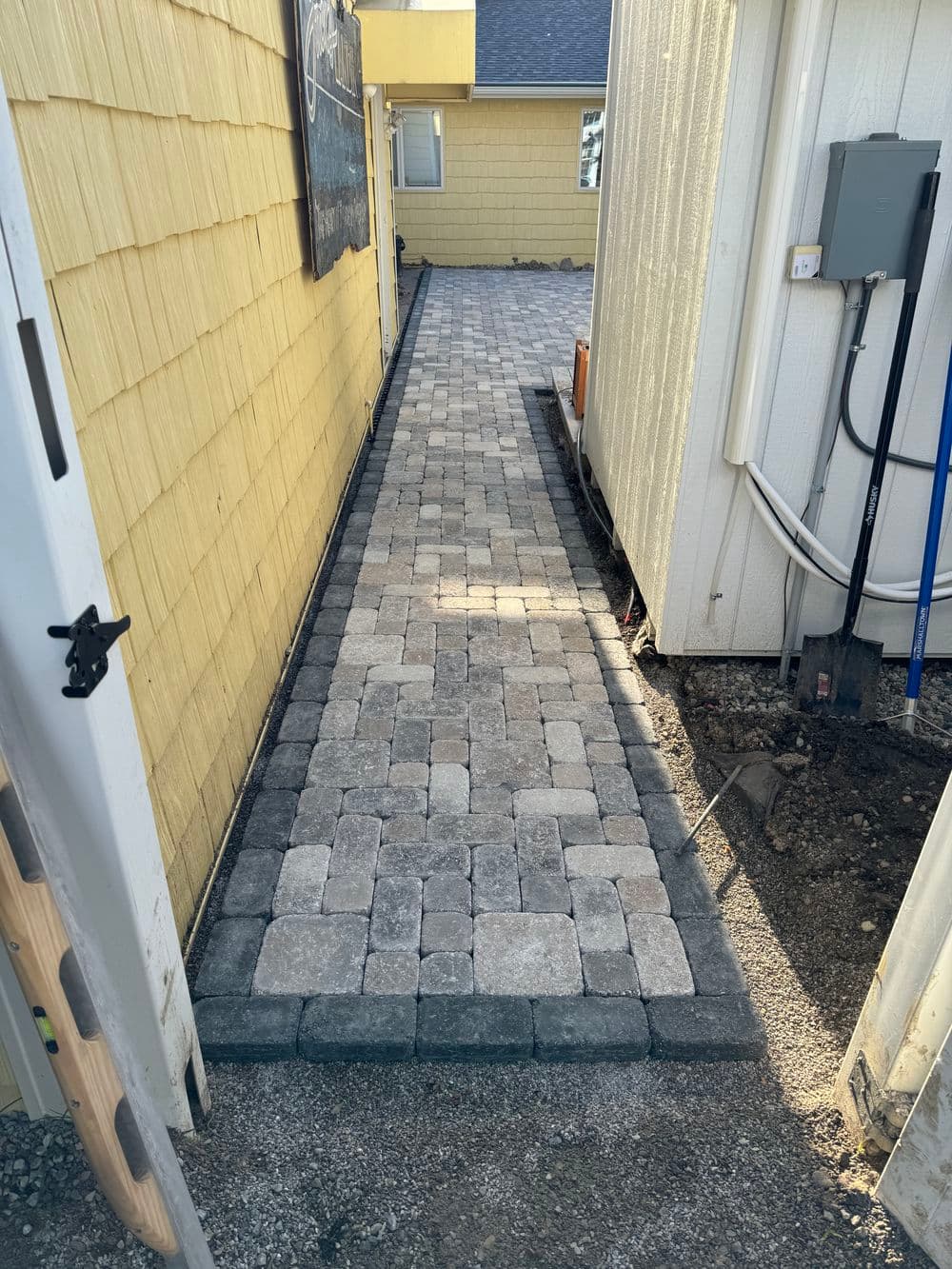
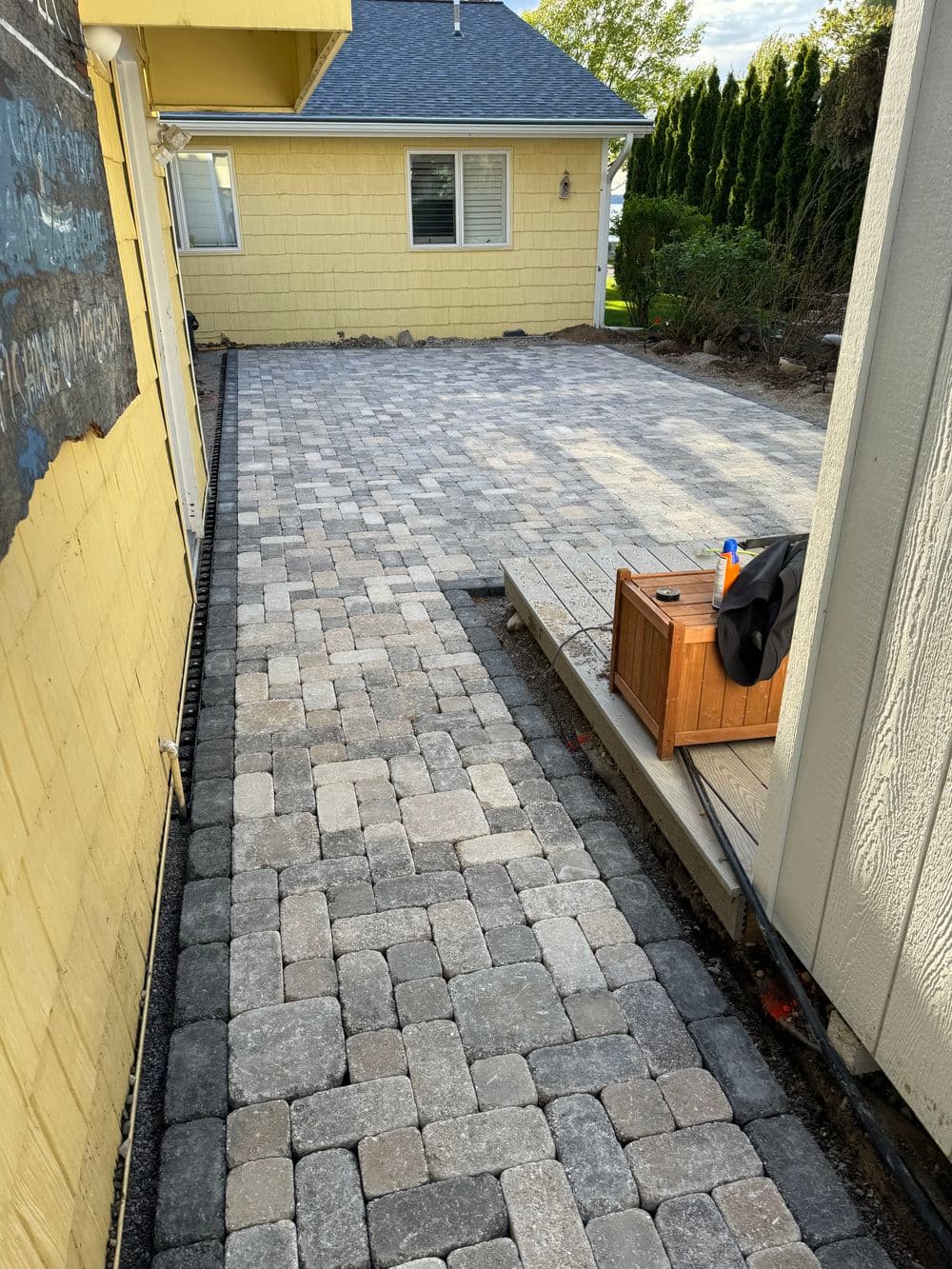
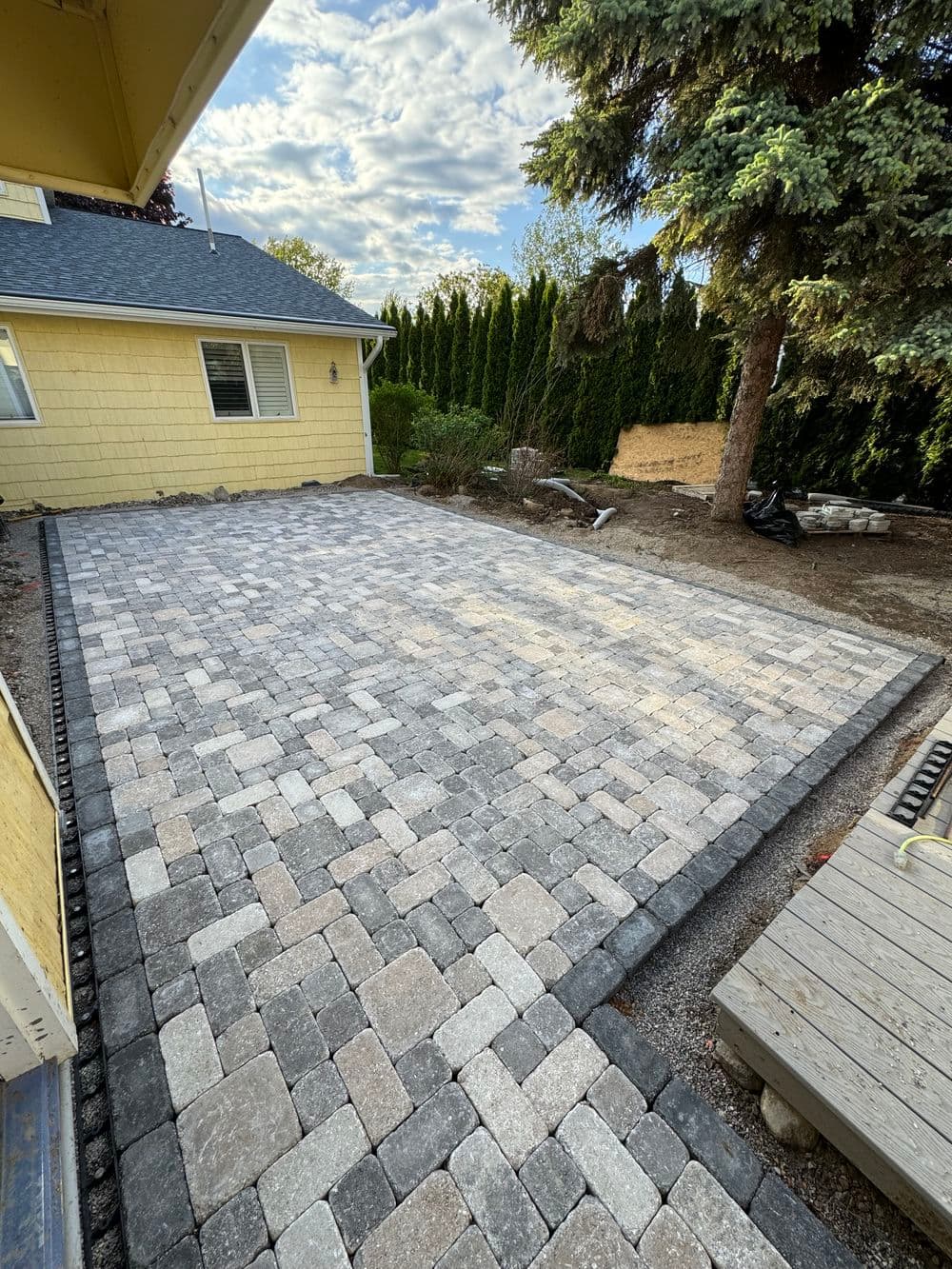
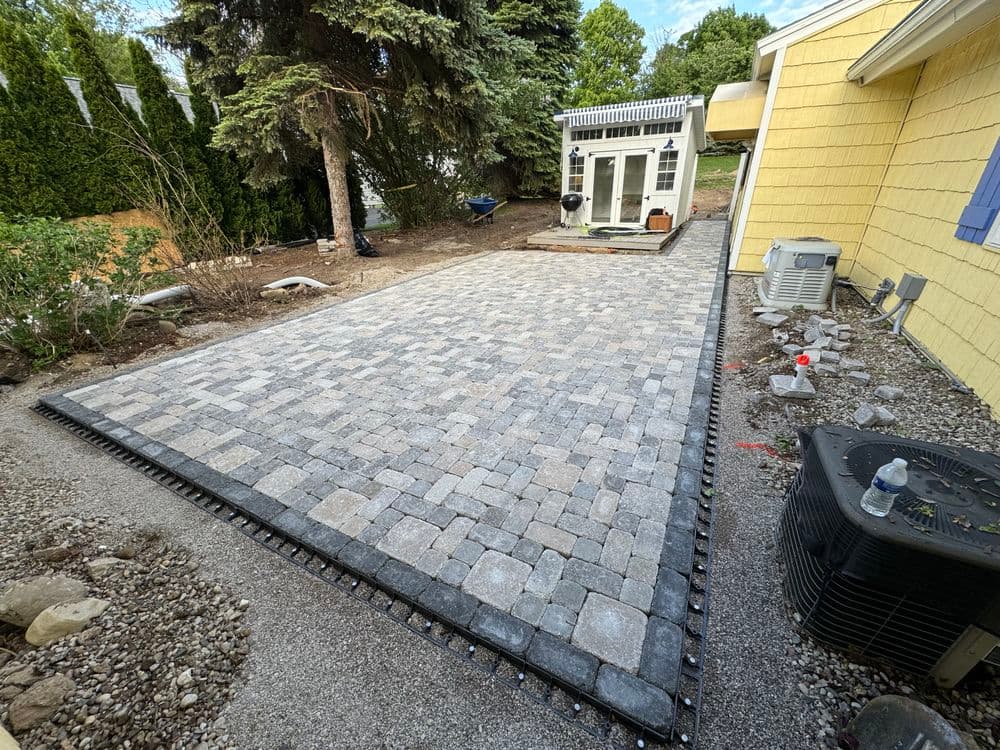
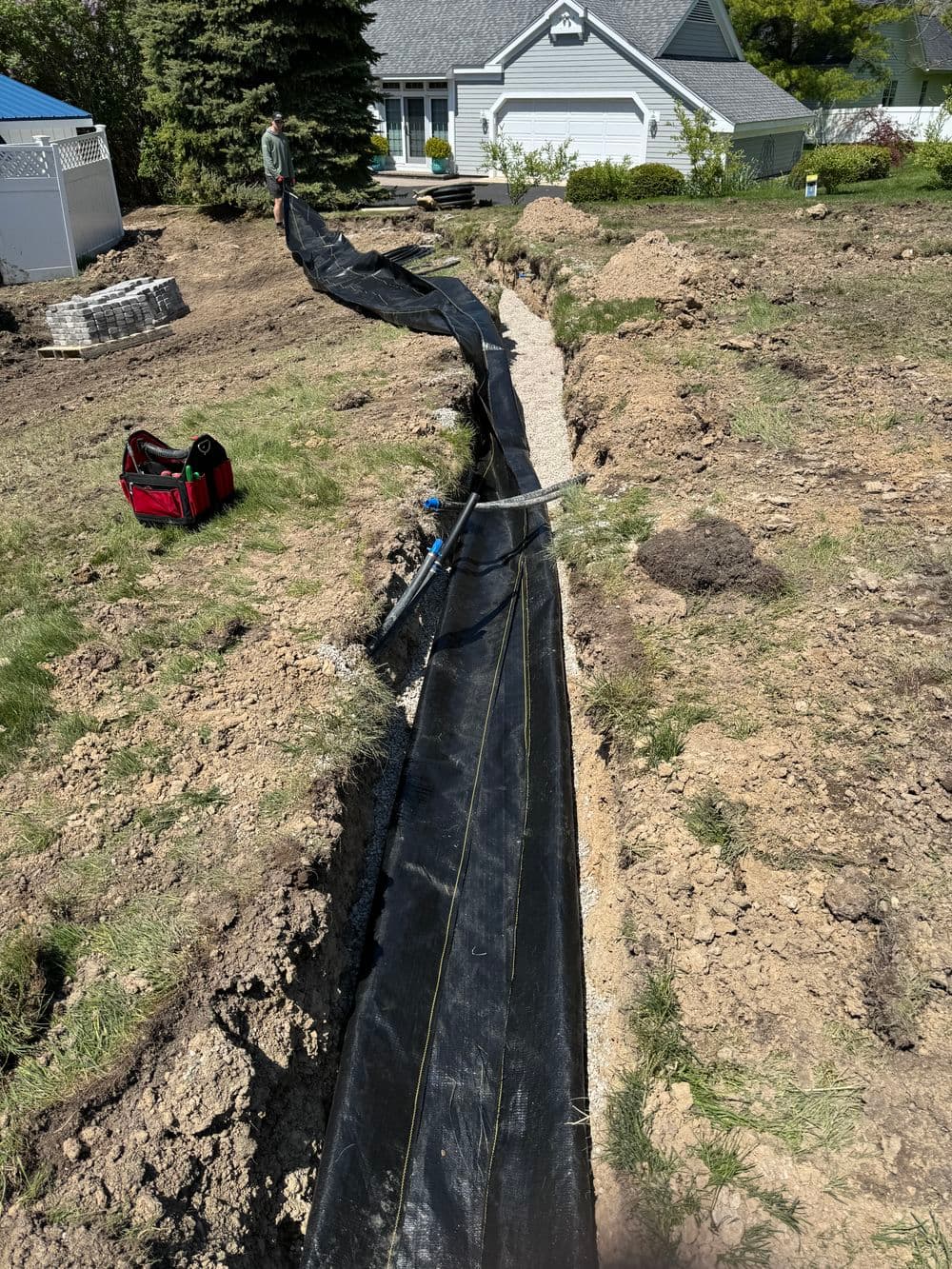
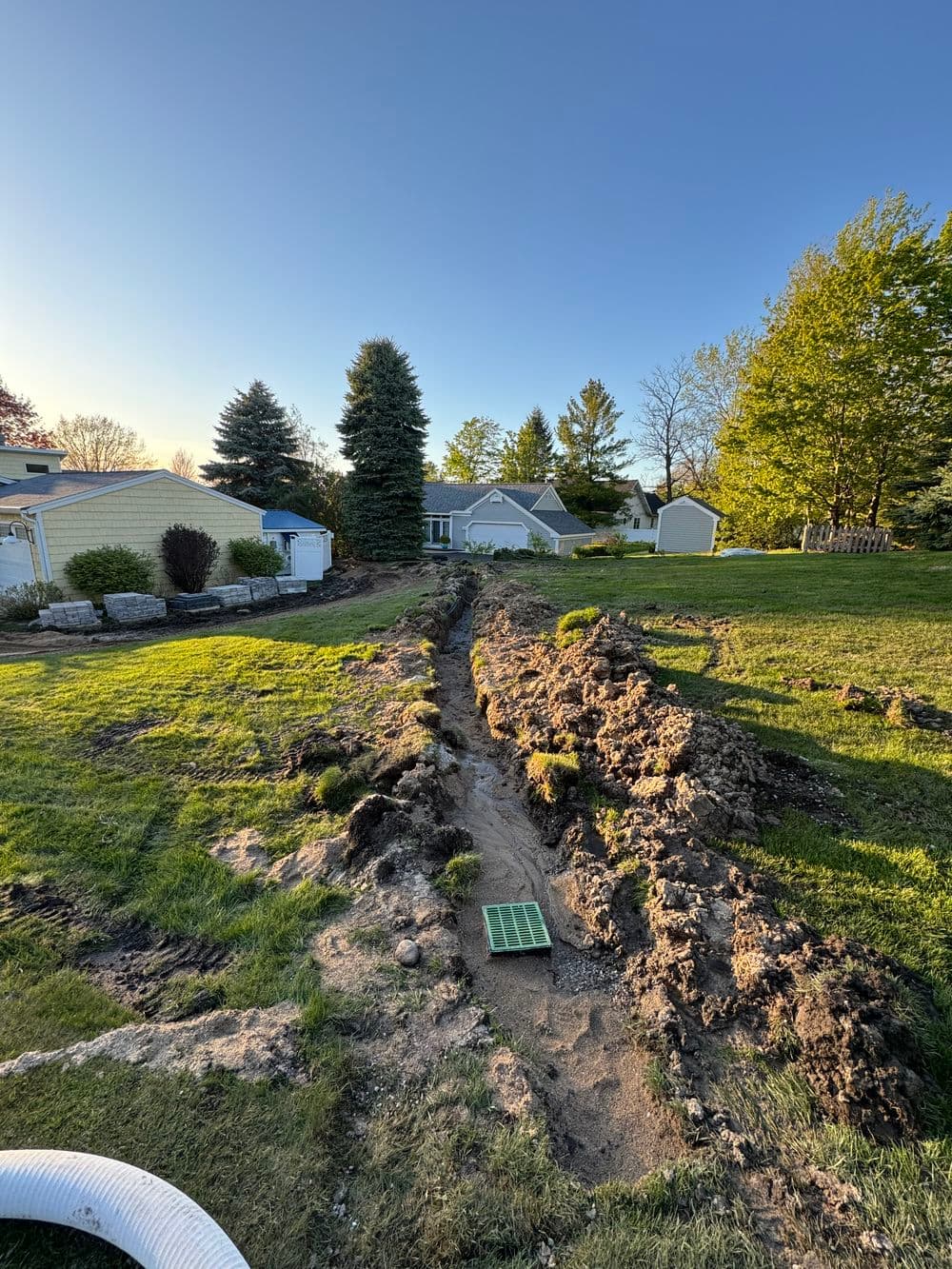
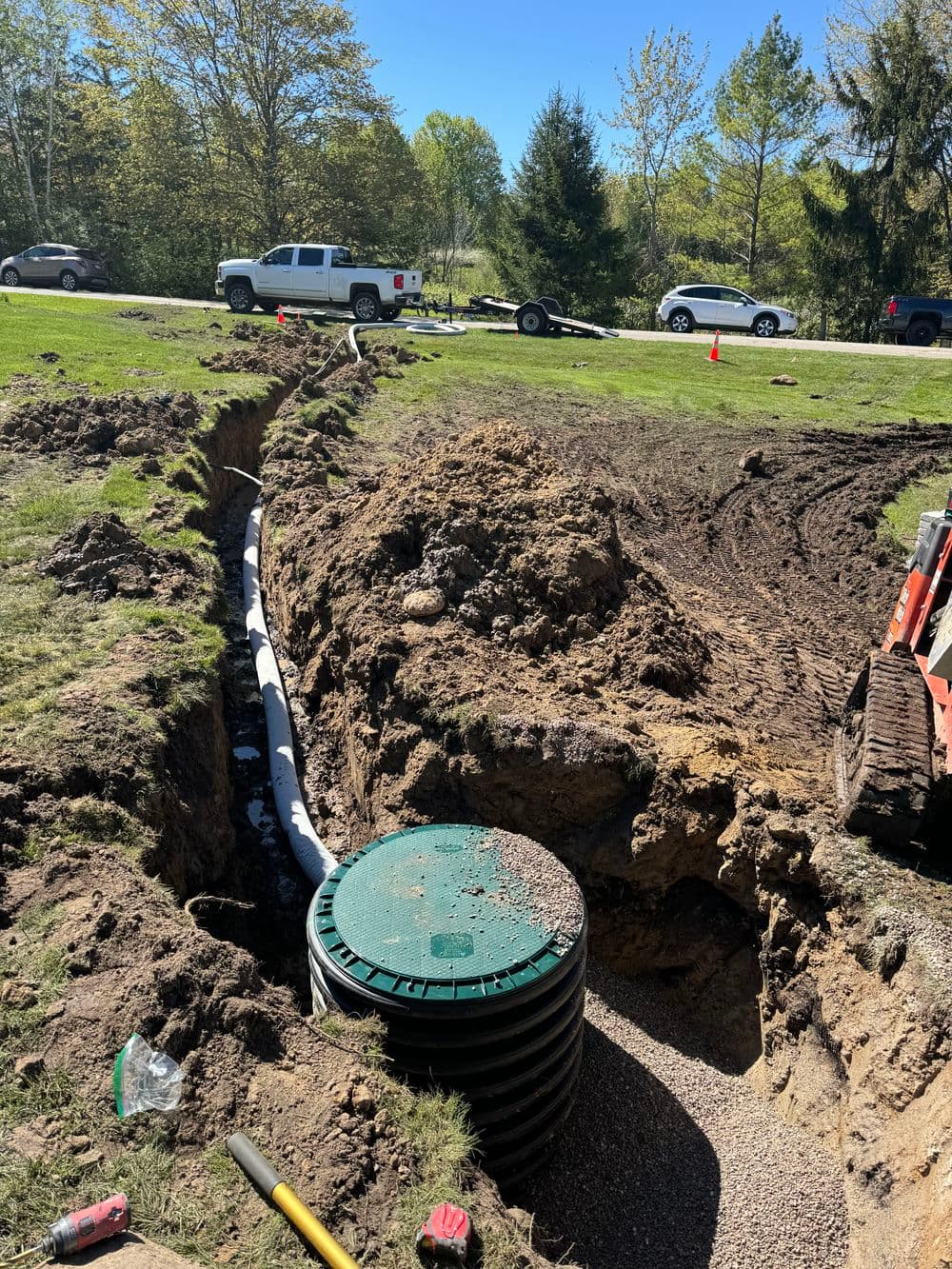
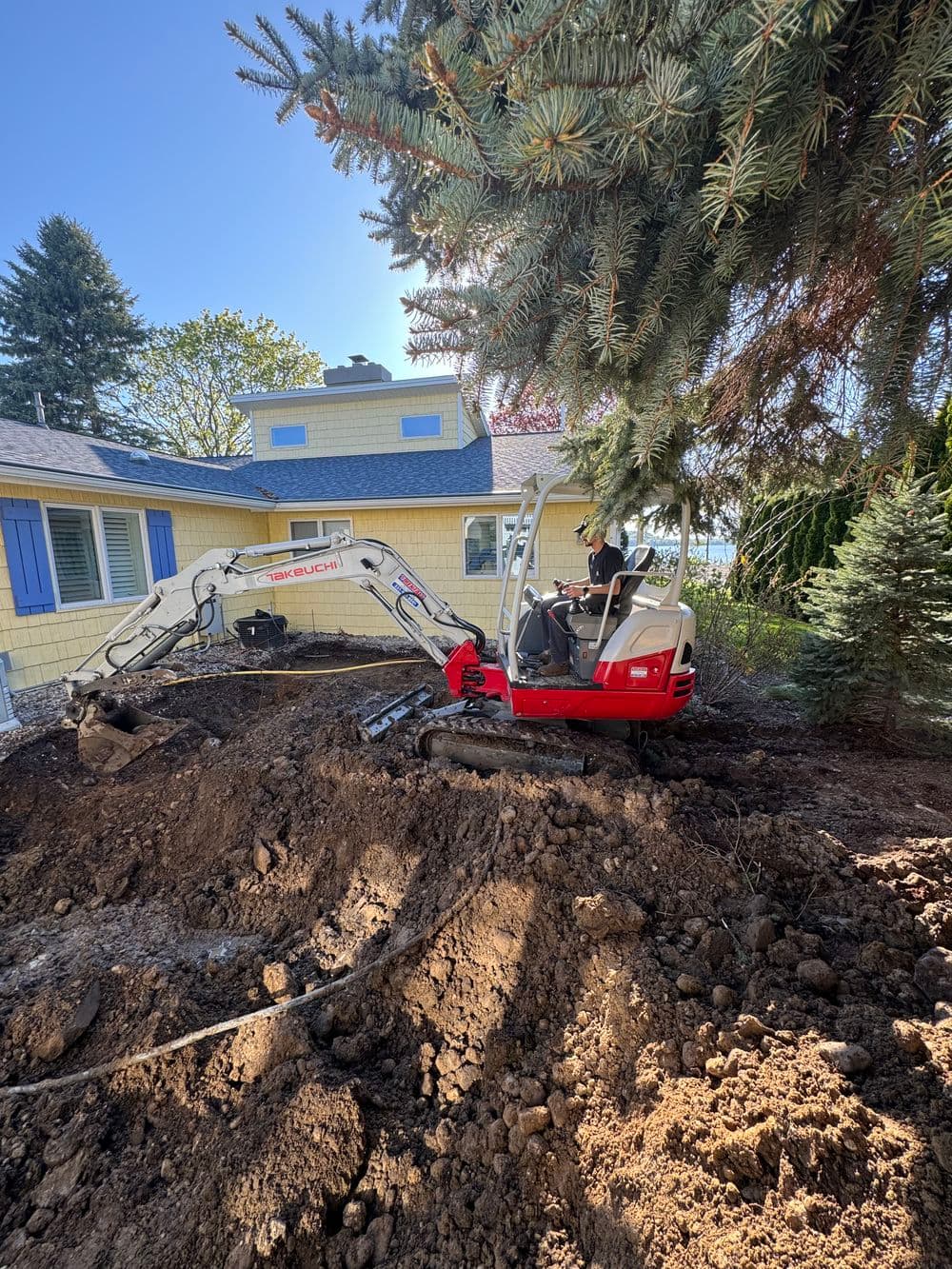
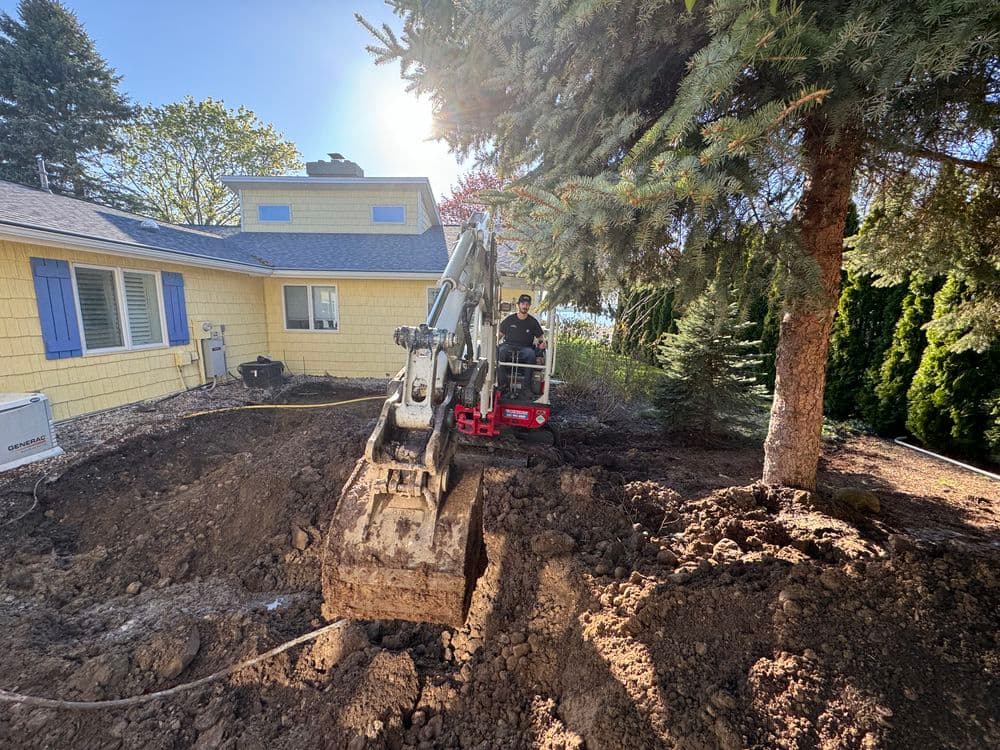
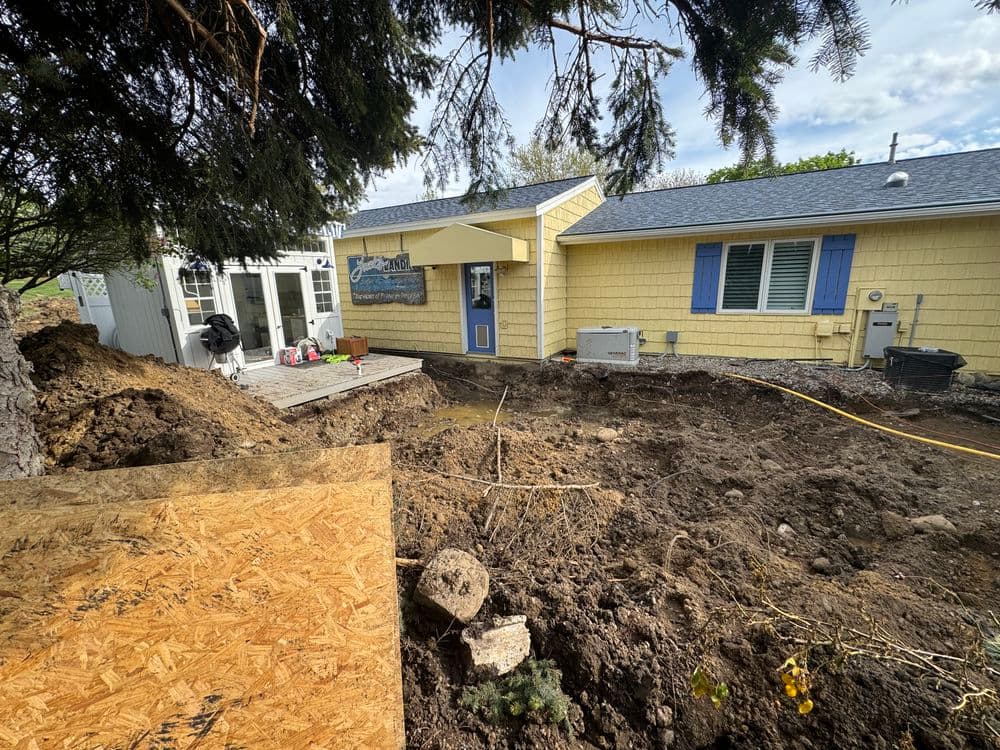
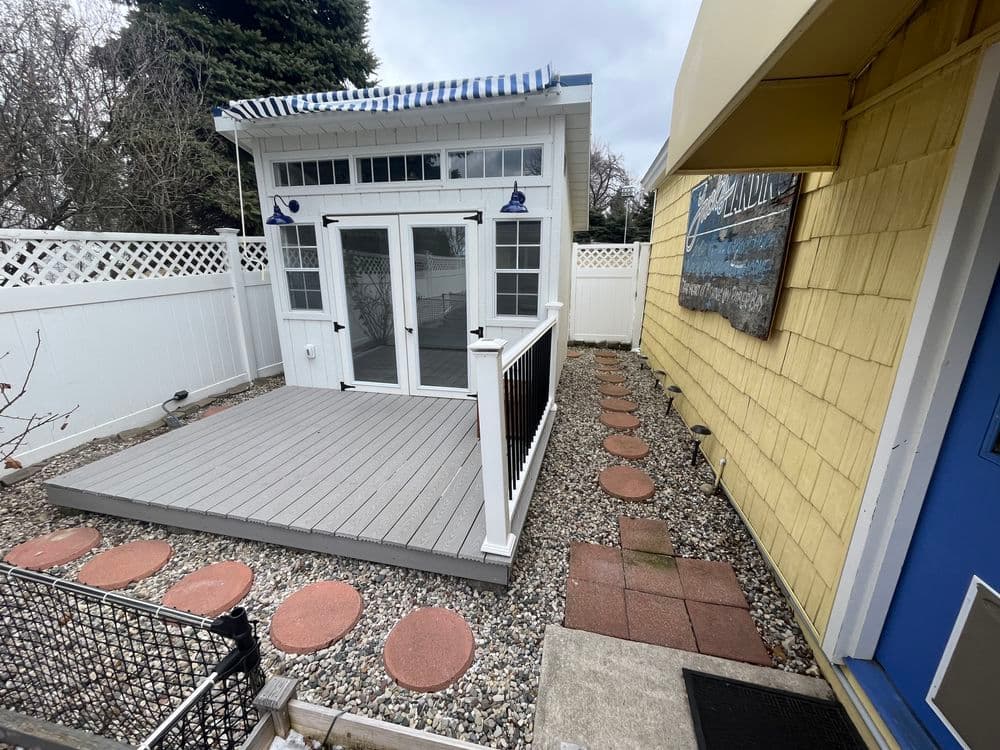
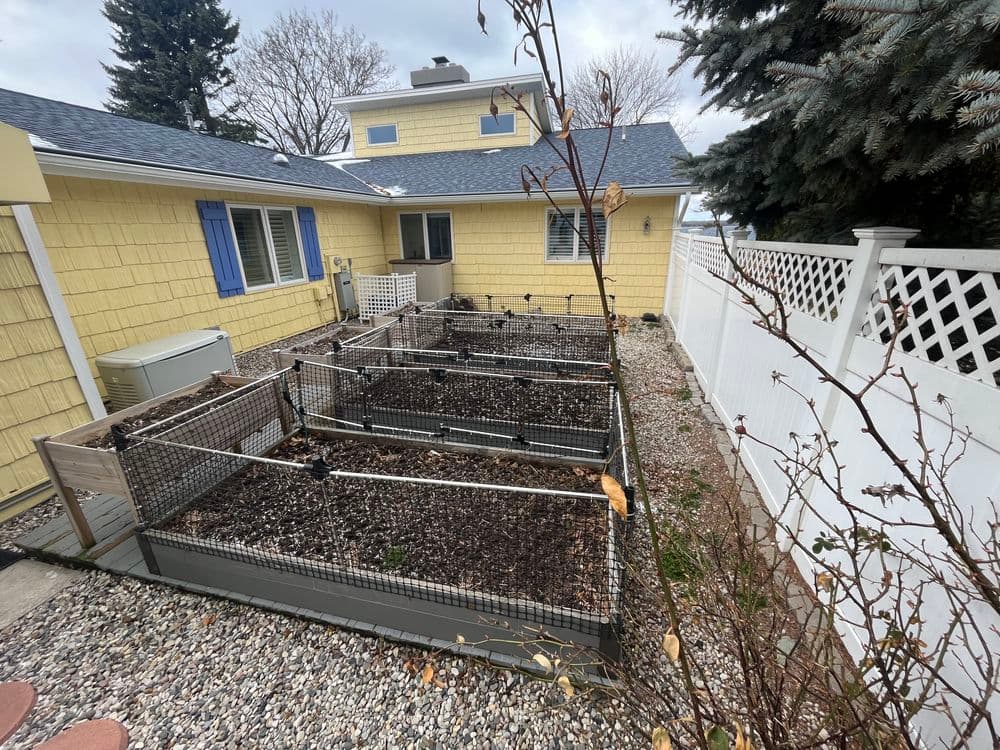
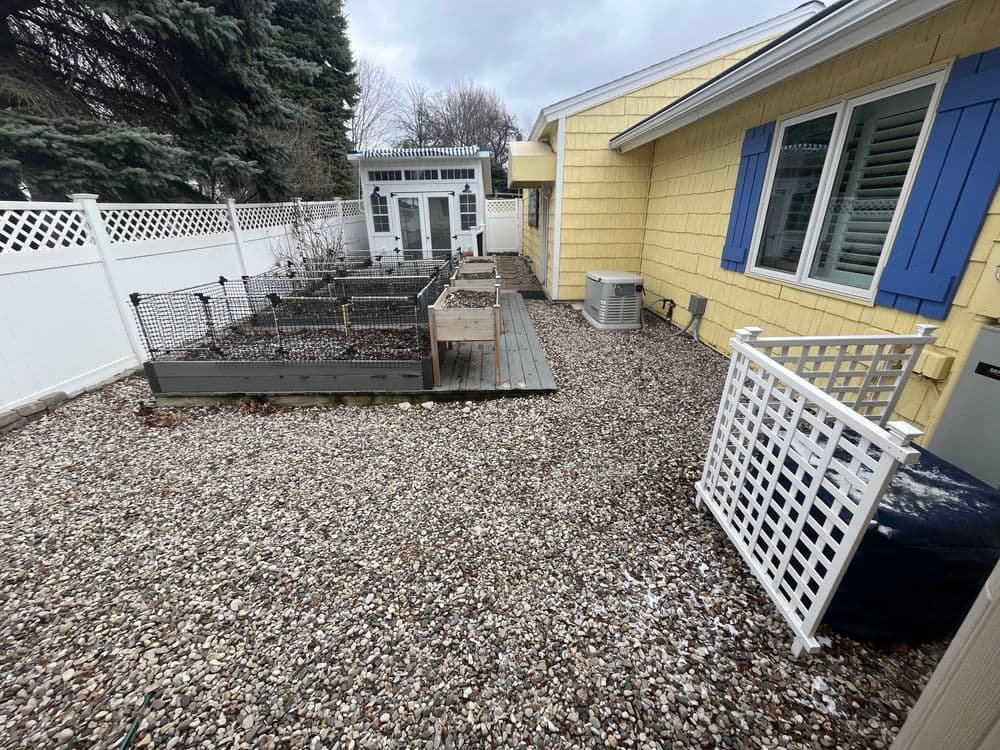
We went into this job expecting a straightforward patio install. What we found when we started digging was a different story. The yard sloped directly toward the foundation, and water was sitting against the house. That's the kind of thing that can cause serious structural damage over time - and it's exactly the kind of problem that gets missed when a crew just shows up and starts laying pavers without looking at the full picture.
Before a single paver went down, we redesigned the plan on the spot. We ran a massive French drain across the entire backyard, sloping it to intercept water and divert it away from the house and the future patio area. That drain ties into a dry catch basin that handles the volume without sending water somewhere it doesn't belong. It's not glamorous work, but it's the kind of work that protects a home for decades.
The clay soil situation under the patio footprint was another problem we weren't going to ignore. Clay holds water. It doesn't drain - it just sits there and slowly shifts whatever you build on top of it. We excavated all of it out from under the patio area and replaced it with proper fill and open graded base material. That step alone is what separates a patio that lasts from one that shifts and cracks within a few years.
Once the drainage was done right, the patio itself came together the way it should. The pavers run from the side passage all the way through the main backyard space, with a clean dark border framing the field pattern. It's a usable, well-built outdoor space - and more importantly, it's sitting on a foundation that won't let it fail.
This is the kind of job that reminds us why we don't skip a proper site assessment. Around Traverse City, properties near the water or on sloped lots deal with drainage issues all the time. Sometimes you don't know what's under the ground until you're in it. Our approach is always to handle whatever we find - not walk away from it.